
How Do Industrial V Belts Improve Machinery Performance?
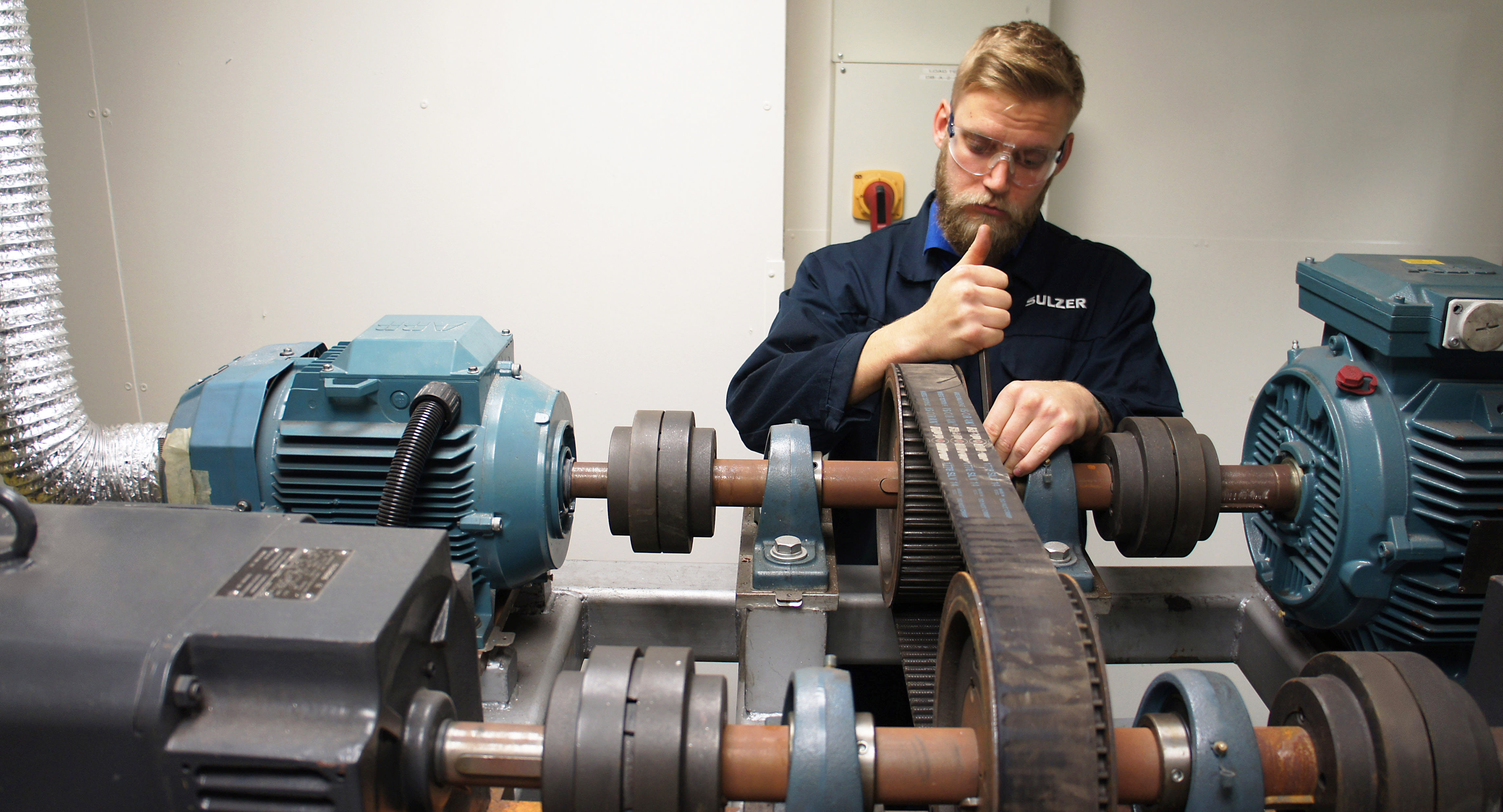
Machines in factories depend on reliable motion transfer to keep output steady and safe. When power must move from one shaft to another, the connection method plays a major role in speed control and load balance. Many production units rely on v belts to maintain grip while reducing slippage under pressure. These components support stable rotation, limit vibration, and aid maintain proper alignment. By improving torque delivery and lowering strain on connected parts, they support smooth workflow across equipment lines and heavy-duty systems.
How Do They Transfer Power Efficiently?
Industrial belts move rotational force from the motor to the driven shaft through strong friction contact. Their angled shape fits firmly into pulley grooves, cumulative surface grip, reducing slip, and preserving stable torque delivery under changing load conditions.
Why Do They Reduce Energy Loss?
Proper belt tension ensures smooth contact between pulley surfaces during rotation. This alignment lowers friction heat buildup, prevents unnecessary drag, and allows motors to run with better energy use across demanding tasks.
How Do They Support Heavy Loads?
These belts are built with reinforced cords that handle higher tension levels. They distribute weight consistently along the belt body, stopping abrupt snapping, preserving stable movement, and improving complete equipment dependability.
Can They Lower Maintenance Costs?
Durable materials resist wear from heat, dust, and constant rotation cycles. Because they operate with less vibration and stable alignment, connected parts face reduced strain, which decreases repair frequency and replacement expenses.
How Can Proper Selection Enhance Results?
Correct sizing ensures steady rotation across machinery.
- Choose the correct length and width based on pulley diameter and torque requirement.
- Maintain proper tension settings to avoid slips and reduce excess shaft pressure.
- Inspect regularly for cracks, wear, and surface glazing to prevent sudden failure.
- Replace worn components before performance decline affects overall production output.
- Store belts in dry areas away from heat sources to protect material strength.
How Do They Improve Speed Control?
Consistent grip inside pulley grooves allows accurate speed ratios during operation. This control keeps machines running at required levels, supports uniform output, and prevents sudden speed shifts that damage components.
Why Is Vibration Reduced?
Flexible construction absorbs minor shocks during motion transfer between shafts. By minimizing abrupt jerks, the system guards bearings and motors, helping extend service life while keeping balanced mechanical movement.
How Do They Adapt to Different Systems?
Available in multiple sizes and strength ratings, these belts fit various pulley designs. Their adaptable structure allows integration into conveyors, compressors, and manufacturing equipment without complex structural modifications.
What Makes Them Reliable for Long Use?
Quality rubber compounds resist cracking from heat and pressure exposure. Strong internal fibers maintain shape over time, ensuring steady contact with pulleys and reducing unexpected downtime in demanding industrial settings.
Key Performance Advantages
Industrial belts raise output levels while cutting downtime.
- Strong grip design improves torque transfer during heavy mechanical loads without sudden slip issues.
- Reinforced internal cords maintain structural strength under continuous rotation and high tension stress.
- Heat-resistant outer layer protects against cracking during extended operational hours.
- Reduced vibration limits bearing wear and lowers strain on connected motor assemblies.
- Flexible material adapts to pulley alignment changes without causing system imbalance.
Selecting the right drive components determines how well a system operates over time. Strong materials combined with accurate installation improve motion stability and protect connected parts from early damage. When factories invest in high-quality solutions and preserve appropriate alignment practices, machinery operates with greater precision and reduced downtime. Careful inspection, timely replacement, and appropriate sizing create dependable results across demanding tasks. By choosing advanced v belts and applying correct tension methods, production units achieve better output levels while keeping operating costs under control.