
Valances Are Back: How to Give This Classic Window Treatment a Modern Look
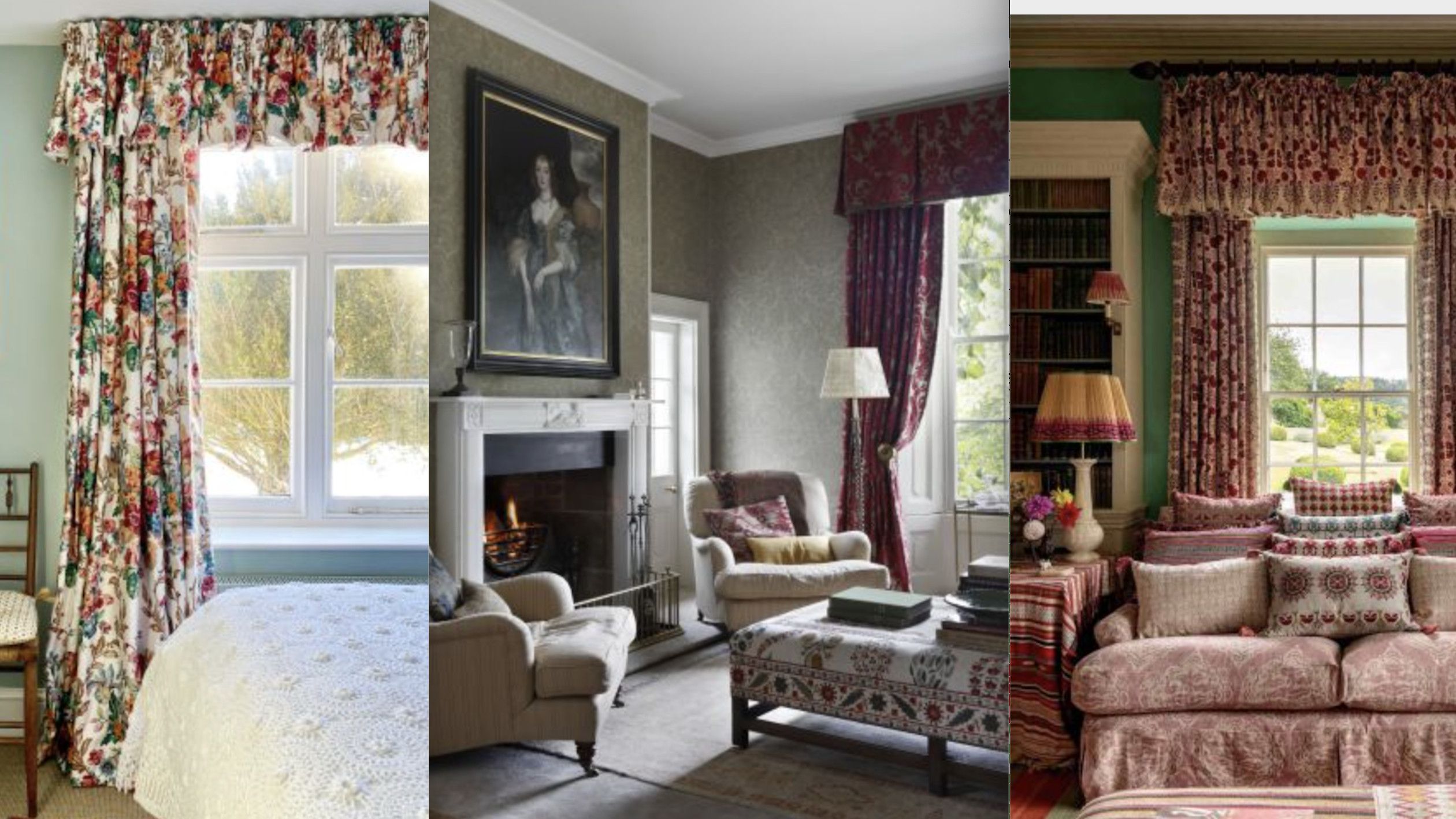
For years, the word valance seemed to belong to a particular kind of interior: formal dining rooms, ornate living rooms, elaborate floral fabrics, and perhaps a tassel or two for good measure. But as traditional design has found its way back into contemporary interiors, the valance is quietly having another moment. The difference is that today’s version is less about elaborate decoration and more about proportion, beautiful fabric, and thoughtful detailing.
A modern valance can be surprisingly sophisticated. Used above curtains, roman shades, or even on its own, custom window valances can frame a window, conceal hardware, introduce pattern, and give a room a sense of architectural completeness. The trick is knowing how to edit the more traditional elements so the treatment feels considered rather than dated.
If you have always associated valances with fussy interiors, it may be time to reconsider them. With the right fabric, silhouette, and styling, this classic window treatment can look remarkably fresh.
What Makes a Valance Feel Modern?
A valance is essentially a decorative fabric treatment positioned across the upper portion of a window. Historically, they were often elaborate, featuring swags, pleats, fringe, tassels, scalloped edges, and layers of coordinating fabric. While those details can still work in the right traditional interior, they are not necessary for a modern interpretation.
Today’s most successful valances tend to have a cleaner silhouette and a stronger sense of proportion. A tailored rectangular shape, a gently curved edge, or a restrained pleated design can provide the decorative effect without making the window feel overly ornate. The emphasis is on the quality of the fabric and the relationship between the valance and the architecture around it.
This is particularly important in contemporary and transitional interiors, where too much decoration can feel disconnected from the rest of the room. A simple valance in a beautiful textile can bridge traditional and modern styles far more effectively than a heavily embellished treatment.
Choose a Fabric That Does the Heavy Lifting
Fabric has perhaps the greatest influence on whether a valance feels traditional or contemporary. Even a very classic silhouette can look fresh when made in a modern textile with an interesting weave, restrained pattern, or sophisticated color.
Linen is an especially versatile option. Its natural texture gives structure a softer, more relaxed quality, making it suitable for transitional, contemporary, European-inspired and coastal interiors. Cotton and cotton blends can create a crisp, tailored appearance, while woven fabrics introduce subtle texture without relying on elaborate detailing. For a more dramatic room, velvet can add depth and richness, particularly when used in a simple, architectural shape.
The goal is not necessarily to make the valance look minimalist. Rather, it is to allow the fabric to provide the visual interest instead of relying on excessive ornamentation. A beautifully textured neutral can be more luxurious than an elaborate treatment covered in decorative details.
Let Pattern Bring Personality
One of the biggest advantages of a valance is that it gives you an opportunity to use pattern without covering an entire wall in it. Because the treatment occupies a relatively contained area, it can accommodate a more expressive fabric while remaining visually manageable.
A botanical print can bring softness and a connection to nature, while a stripe can emphasize the horizontal architecture of the window and give the room a tailored quality. Geometric motifs can make a traditional room feel more contemporary, and small-scale checks or florals can introduce a collected, slightly whimsical character.
The key is to consider what else is happening in the room. If the upholstery and rug already contain strong patterns, a quieter valance will probably create a more balanced result. Conversely, if the room is primarily neutral, a patterned valance can become the detail that gives the space personality.
For particularly decorative fabrics, custom window valances are worth considering because pattern placement becomes much easier to control. With a large-scale motif, you may want a particular flower, stripe, or section of the design centered across the window rather than disappearing into folds or ending awkwardly at the edges.
Pair a Valance With Simple Curtains
One of the easiest ways to modernize a valance is to keep the other window treatments deliberately understated. A patterned or richly textured valance can sit above simple linen curtains, allowing the decorative fabric to remain the focal point without making the entire window feel overly formal.
The reverse can work just as well. If you already have beautiful patterned curtains, consider a solid valance in one of the colors found within the fabric. This creates a visual connection without producing the overly coordinated effect of using the exact same material everywhere.
The important thing is hierarchy. One layer should have more visual presence, while the other provides balance and function. When every element of the window treatment is equally decorative, the result can feel heavy. When one element leads and the others support it, the composition feels much more intentional.
Pair Valances With Roman Shades
A valance can also work beautifully with roman shades, particularly when you want the window to have a more tailored appearance. The shade provides practical control over light and privacy while the valance adds a decorative layer across the top, creating depth without requiring full-length drapery.
This combination is especially useful in rooms where curtains are impractical or where you want to preserve wall space around the window. A simple linen roman shade beneath a patterned valance can feel collected and sophisticated, while a textured shade paired with a tonal valance creates a quieter, more contemporary effect.
You do not have to use the same fabric for both treatments. In fact, combining different textures is often more interesting. A woven roman shade with a smooth cotton valance, for example, creates subtle contrast while keeping the overall palette cohesive.
Keep the Color Palette Sophisticated
Modernizing a valance does not necessarily mean choosing a neutral fabric, but restraint can help. The most successful treatments tend to relate to colors that already exist in the room rather than introducing an entirely unrelated shade.
If the walls are warm white and the furniture features beige, brown, and natural wood, a taupe or muted botanical fabric could connect the elements beautifully. In a cooler interior, gray, soft blue, ivory, or charcoal can provide a more appropriate foundation.
Gray can be particularly versatile because it can lean either warm or cool depending on its undertones. A warm gray valance can work with taupe and cream, while a cooler gray can complement crisp whites and blue accents. Always look at the fabric in the room itself, however, because natural light can dramatically alter how a neutral appears.
Use a Valance to Conceal Hardware
There is also a practical reason to reconsider the valance. When several window treatments are layered together, the collection of rods, brackets, shade mechanisms, and mounting hardware can become visually distracting. A valance provides an elegant way to conceal these functional elements and create a cleaner transition between the window and the ceiling.
This is particularly useful when combining roman shades with curtains. Rather than trying to make every piece of hardware disappear individually, the valance can establish a finished upper edge for the entire arrangement.
In this sense, the valance is doing more than decorating the window. It is solving an architectural problem while making the overall treatment feel more cohesive.
Don’t Overdecorate
If you want your valance to feel contemporary, resist the temptation to add every traditional detail at once. A beautiful fabric does not necessarily need elaborate pleating, contrast trim, fringe, tassels, and a matching set of curtains.
Choose the details that actually contribute to the room.
A narrow contrast band along the edge can provide a crisp finishing touch. A subtle pleated heading can add structure. A shaped bottom edge can introduce a little softness. But if the fabric itself is dramatic, you may not need much else.
This sense of restraint is what separates a modern interpretation from a nostalgic reproduction. The goal is not to eliminate the character of the valance. It is to edit it.
Consider the Scale of the Room
As with any window treatment, proportion matters enormously. A valance that is too deep can make the ceiling appear lower and overwhelm a small window, while one that is too narrow or shallow can look insignificant against a large room.
Consider the size of the window, the height of the ceiling, the scale of the furniture, and the visual weight of the surrounding decor. A substantial treatment may be entirely appropriate in a room with tall ceilings and generous windows, while a smaller bedroom or breakfast nook may call for something lighter and more restrained.
The valance should feel as though it belongs to the architecture rather than being placed on top of it.
Think of the Valance as Architecture
Perhaps the easiest way to make a valance feel modern is to stop thinking of it as an ornamental accessory. Think of it as part of the architecture.
It can establish a visual frame around the window, create a transition between the ceiling and the treatment, conceal functional hardware, and connect the window with the colors and textures used throughout the room. When it is designed with those purposes in mind, it becomes much easier to avoid the overly decorative look traditionally associated with the style.
The most successful valances are rarely the ones that demand attention immediately. Instead, they contribute to the overall composition of the room, making the window feel complete without overwhelming everything around it.
The Modern Valance Is All About Editing
The return of the valance does not mean bringing back every detail of traditional window dressing. It is about taking a classic idea and refining it for the way we decorate today.
Choose a clean silhouette. Invest in a beautiful fabric. Use pattern deliberately, vary textures, and keep the surrounding window treatments relatively restrained. Most importantly, pay attention to proportion and make sure the valance relates naturally to the architecture and furnishings around it.
A well-designed valance can make a room feel warmer, more layered, and more individual. It can add just enough traditional character to keep a contemporary interior from feeling sterile, or provide a polished finishing touch to a room that already embraces classic design.
So yes, valances are back. But they have evolved.
They are less about excess and more about considered detail. Less about matching every element and more about creating harmony. And when the fabric, proportions, and styling are right, this once-overlooked window treatment can feel not only relevant, but remarkably luxurious.