
Common Off-Grid Cabin Mistakes and How to Avoid Them
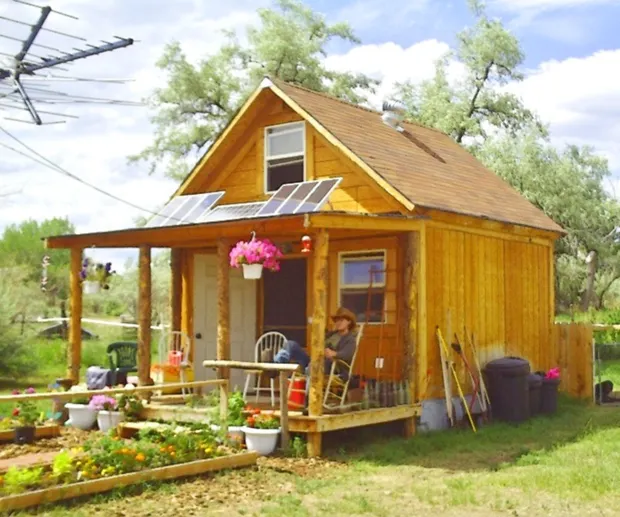
Living in an off-grid cabin is often romanticized as the ultimate escape from modern stress. The idea of self-sufficiency, quiet surroundings, and a closer connection to nature is undeniably appealing. However, the reality can be far more challenging if you’re not properly prepared. Many first-time cabin owners underestimate the complexity of off-grid living, leading to avoidable mistakes that can affect comfort, safety, and sustainability. Understanding these common pitfalls can help you create a more enjoyable and efficient off-grid experience.
Underestimating Energy Needs
One of the most frequent mistakes is misjudging how much energy you actually need. It’s easy to assume that a few solar panels will cover everything, but daily life requires more power than most people expect. Charging devices, running lights, and even small appliances quickly add up. Without proper planning, you may find yourself constantly running out of power at inconvenient times.
A practical solution is to incorporate a power station into your setup. It provides flexibility and ensures that essential devices remain operational, especially during cloudy days or unexpected outages. Planning your energy consumption realistically from the start can save you frustration and costly upgrades later.
Poor Water Management
Water is another critical element that often gets overlooked. Some cabin owners assume nearby streams or rainfall will be enough, but without a reliable filtration and storage system, water can become unsafe or insufficient. Seasonal changes can also affect availability, leaving you unprepared during dry periods.
Proper water management involves installing storage tanks, filtration systems, and possibly a backup supply. Thinking ahead about both quantity and quality ensures that your off-grid lifestyle remains safe and sustainable.
Ignoring Insulation and Climate Factors
Many people focus on the aesthetic of their cabin and forget about insulation. A beautiful wooden structure may look cozy, but without proper insulation, it can become unbearably cold in winter and excessively hot in summer. This not only impacts comfort but also increases energy consumption as you try to regulate the temperature.
Designing your cabin with local climate conditions in mind is essential. High-quality insulation, proper ventilation, and strategic window placement can make a significant difference in maintaining a comfortable living environment year-round.
Overpacking or Underpacking Essentials
Finding the right balance in what you bring to your cabin is surprisingly difficult. Some people bring too much, cluttering their limited space, while others forget essential items that make life easier. For example, small comforts like a hair dryer may seem unnecessary at first, but they can significantly improve daily living, especially during colder months.
Thoughtful packing should focus on multi-functional items and realistic daily needs. Living off-grid doesn’t mean sacrificing all modern conveniences; it means choosing them wisely.
Neglecting Waste and Sanitation Systems
Waste management is often an afterthought, but it plays a crucial role in maintaining a healthy environment. Without proper systems in place, waste can quickly become a hygiene issue and even attract wildlife. Composting toilets, greywater systems, and responsible disposal methods are essential components of an off-grid setup.
Planning these systems early ensures that your cabin remains clean, safe, and environmentally friendly.
Overlooking Accessibility and Maintenance
Many off-grid cabins are located in remote areas, which can make access difficult, especially during extreme weather. New owners often fail to consider how they will reach their cabin in winter or how they will handle repairs without immediate access to supplies.
Regular maintenance is also more demanding in remote settings. From checking solar panels to maintaining water systems, staying proactive prevents small issues from becoming major problems.
Conclusion
Avoiding these common mistakes can transform your off-grid cabin from a challenging experiment into a truly rewarding lifestyle. Careful planning, realistic expectations, and the right tools are the foundation of a successful setup. Whether it’s ensuring consistent energy, managing water efficiently, or maintaining comfort, every detail matters.