
A Practical Guide to Fashion Blog Outreach That Feels Editorial
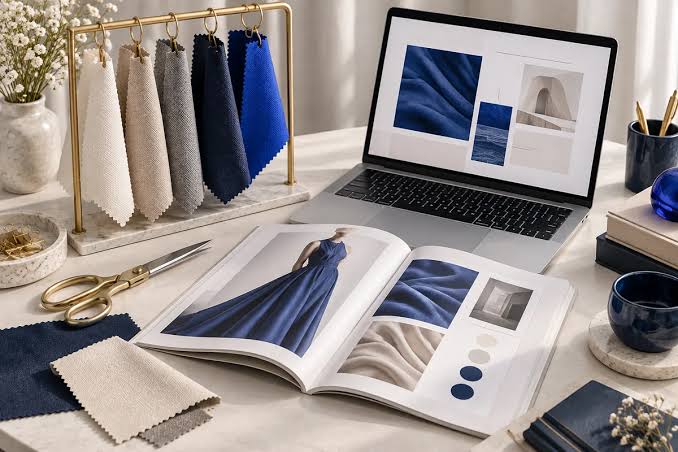
Fashion moves quickly, but a useful style story can keep finding readers long after a trend peaks. For creators, boutique owners, and lifestyle publishers, contributing to other fashion sites can introduce a fresh audience to their work. The challenge is making outreach feel like a genuine editorial exchange rather than a mass-produced pitch. A clear point of view, careful research, and realistic expectations make the process more effective.
Begin with a story, not a placement
Before contacting a publication, decide what readers would gain from your idea. A seasonal wardrobe guide, an explanation of how to care for vintage denim, or a thoughtful look at accessible workwear offers more than a request to mention a brand. Strong pitches have a clear angle and suit the publication’s audience.
Look through recent articles and note their tone, formats, and subject matter. A site focused on independent designers may welcome a different contribution from one covering celebrity looks or everyday shopping. This research helps you avoid sending the same generic pitch to every editor.
Choose sites for audience fit
A publication’s numbers can help you assess an opportunity, but they should not make the decision for you. Consider whether its readers are likely to care about your subject, whether articles receive meaningful engagement, and whether the site publishes original, well-edited work. A smaller publication with a dedicated style audience may be more valuable than a larger site with little connection to your topic.
Check that the site is active and that its fashion coverage is consistent. Read a few recent pieces, review the author pages, and make sure the proposed article would sit naturally alongside existing content. For fashion blog outreach, Osdire’s guide to fashion guest posting sites offers a starting point for comparing audience signals, traffic, and costs. Treat any list as a research aid, then make your own judgment about editorial fit.
Make the pitch specific and easy to assess
Editors are busy, so get to the point. A useful email can include a concise subject line, a brief introduction, one or two proposed article ideas, and a sentence explaining why each idea suits that publication. Add relevant writing samples if requested, but avoid burying the pitch beneath a long biography.
Personalization should be genuine. Mention a recent article only if it connects to your idea, and explain the connection. Avoid flattery that could be sent to any site. If the publication has submission guidelines, follow them closely; overlooking instructions can undermine an otherwise promising proposal.
Agree on scope before work begins
Clarify the practical details before drafting or commissioning a contribution. Confirm the topic, word count, deadlines, editing process, permitted links, and whether images or original research are expected. Ask how the publication handles corrections and whether a link is permanent. These questions prevent misunderstandings and help both sides know what the finished work should deliver.
Costs vary with the publication’s audience, editorial standards, and the work involved. A placement price alone says little about quality. Compare the full scope, including writing, revisions, and publication terms, and be cautious about promises that sound guaranteed without clear conditions.
Decide who will manage the campaign
Some fashion professionals prefer to contact editors themselves. Direct outreach gives you control over the voice and relationship, and it can be a good fit when you have time to research sites and follow up. Hiring a freelancer can help with research, pitching, writing, or campaign coordination, but you will need to review their experience and agree on deliverables.
A marketplace offers another way to find services and manage orders. The choice between a freelancer and a platform depends on how much support you need, how you want payments handled, and what happens if expectations are not met. This marketplace-versus-freelancer comparison outlines considerations such as publisher vetting, pricing, payment protection, link terms, and dispute resolution. Whichever route you choose, ask how placements are sourced and what evidence you will receive when work is complete.
Protect the editorial value
Outreach works best when the article is worthwhile on its own. Give readers practical advice, a fresh perspective, or a well-supported story—not a thin piece built around a commercial mention. Keep claims accurate, disclose relationships when the publication requires it, and use links only where they help readers find relevant information.
It also helps to track the campaign. Record the sites contacted, pitch dates, responses, agreed terms, publication dates, and any follow-up needed. Reviewing that record can show which topics earn replies and where your approach needs adjustment. Do not judge success only by the number of placements: relevant readership, useful referral visits, and lasting professional relationships matter too.
Build relationships over time
A thoughtful contribution can open the door to future collaboration, but reliability matters. Deliver on schedule, respond constructively to edits, and thank editors without turning every interaction into another sales pitch. When you have a genuinely useful idea later, a familiar working relationship makes it easier to start a conversation.
Fashion blog outreach is most sustainable when it respects both the publication and its readers. Research carefully, pitch a story with a clear purpose, agree on terms, and choose a workflow you can manage. That approach creates better contributions—and a stronger online presence—without making every conversation feel like a transaction.